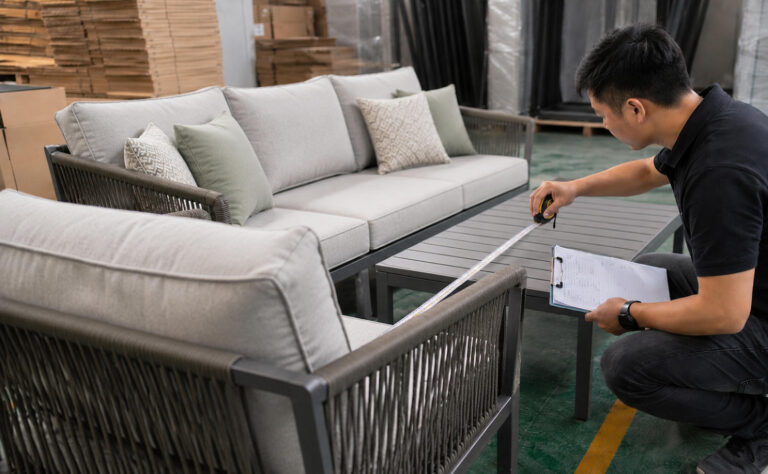

Furniture sourcing in China can be highly efficient for overseas buyers, but only when the sourcing process is structured. This practical guide explains how international buyers can source furniture, FF&E, lighting and interior materials from China with better supplier selection, factory verification, quotation comparison, quality control and export coordination.
China remains one of the most important destinations for furniture sourcing because it offers a wide range of designs, mature production capacity, flexible customization options and access to many product categories in one supply chain. Buyers can source residential furniture, hotel FF&E, villa furniture, apartment furniture, cinema seating, school furniture, outdoor furniture, lighting and interior materials from different manufacturing areas.
However, successful furniture sourcing in China is not only about finding a low price. Overseas buyers often face challenges such as supplier reliability, material confirmation, inconsistent specifications, quality control, production delays, packaging risks, loading problems and export coordination. A clear sourcing workflow helps reduce these risks before shipment.
What Furniture Buyers Can Source from China
China鈥檚 furniture supply chain covers both standard products and customized project products. For overseas buyers, this means one sourcing plan can often include multiple categories instead of working with a separate country or supplier for each item.
Common product categories include:
- Residential furniture: sofas, beds, dining tables, chairs, wardrobes, cabinets, TV units and loose furniture.
- Hotel FF&E: guest room furniture, headboards, desks, chairs, luggage racks, wardrobes, bathroom vanities, mirrors, restaurant furniture and lobby furniture.
- Commercial furniture: office furniture, reception furniture, restaurant furniture, lounge furniture and public area furniture.
- Cinema and auditorium products: cinema seating, lounge seating, acoustic-related materials and interior support items.
- School furniture: desks, chairs, dormitory furniture, library furniture, office furniture and storage items.
- Lighting and decorative items: decorative lamps, wall lights, pendant lights, mirrors, artwork and accessories.
- Interior materials: stone, wood, metal, glass, wall finishes, flooring, tiles, sanitary ware and decorative panels.
For project buyers, the main advantage is not only product variety. It is the ability to coordinate furniture, lighting, decorative items and materials in a single sourcing workflow.
Why Foshan Is Important for Furniture Sourcing
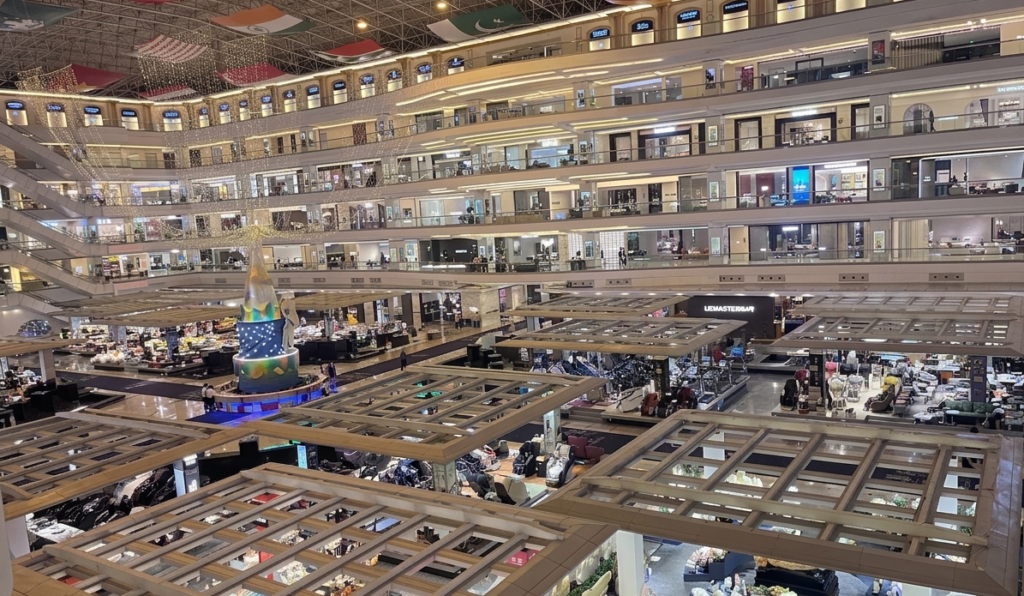
Foshan, especially Lecong and nearby manufacturing areas, is one of the most important furniture and interior supply hubs in China. Buyers can visit furniture malls, supplier showrooms, factories, lighting markets and material suppliers within a relatively concentrated region.
For overseas buyers working on villas, hotels, apartments, offices, cinemas or commercial spaces, Foshan provides access to a broad interior supply chain. This makes it easier to compare suppliers, review materials, check product quality and organize project procurement.
Foshan is also useful for buyers who need mixed-category sourcing. A project may include sofas, beds, tables, chairs, lighting, stone, tiles, sanitary ware and custom furniture. Working from a strong sourcing base helps buyers compare options more efficiently and reduce unnecessary travel between regions.
How to Find Suitable Furniture Suppliers in China
The right supplier depends on the project type, product category, target quality, order quantity, customization level, budget range and delivery timeline. A supplier that is suitable for a small residential order may not be suitable for a hotel FF&E package. A showroom with attractive products may not always have strong production control behind it.
When searching for suppliers, buyers should compare more than price. They should review:
- Product category experience
- Factory or showroom background
- Customization capability
- Material and finish options
- Previous project references
- Production capacity and lead time
- Communication quality
- Packaging and export experience
- Willingness to provide samples, drawings or clear specifications
A good sourcing process usually starts with a supplier shortlist, not with a single quotation. Comparing several qualified suppliers helps buyers understand the realistic price range, quality differences and service level.
Factory Visit and Supplier Verification
Supplier verification is especially important when the buyer cannot visit China in person. A factory visit can help confirm whether the supplier has real production capacity, suitable product experience and reasonable quality control habits.
A basic supplier verification visit may include:
- Factory or showroom visit
- Production area review
- Sample and material checking
- Product category confirmation
- Communication with the supplier team
- Basic review of packaging and loading experience
- Photos or short videos for buyer reference
Factory verification does not replace legal due diligence, laboratory testing or a full financial audit. However, it can help buyers reduce visible supplier risks before paying deposits or confirming production.
Quotation Comparison and Common Price Traps
Furniture quotations can look similar at first, but the real value may be very different. A lower quotation may use thinner materials, lower foam density, weaker hardware, simplified structure, cheaper fabric, poor packaging or unclear export terms.
When comparing furniture quotations from China, buyers should check:
- Material specification
- Product dimensions
- Internal structure
- Foam density for upholstered products
- Fabric, leather, veneer, metal or stone details
- Finish method and color standard
- MOQ and lead time
- Packing method
- Incoterms and export cost responsibility
- Warranty terms and after-sales responsibility
A useful quotation comparison should explain why prices are different. Buyers should not only ask 鈥淲hich supplier is cheaper?鈥� They should ask 鈥淲hat exactly is included in this price, and what quality level does it represent?鈥�
Sample Confirmation and Production Follow-Up
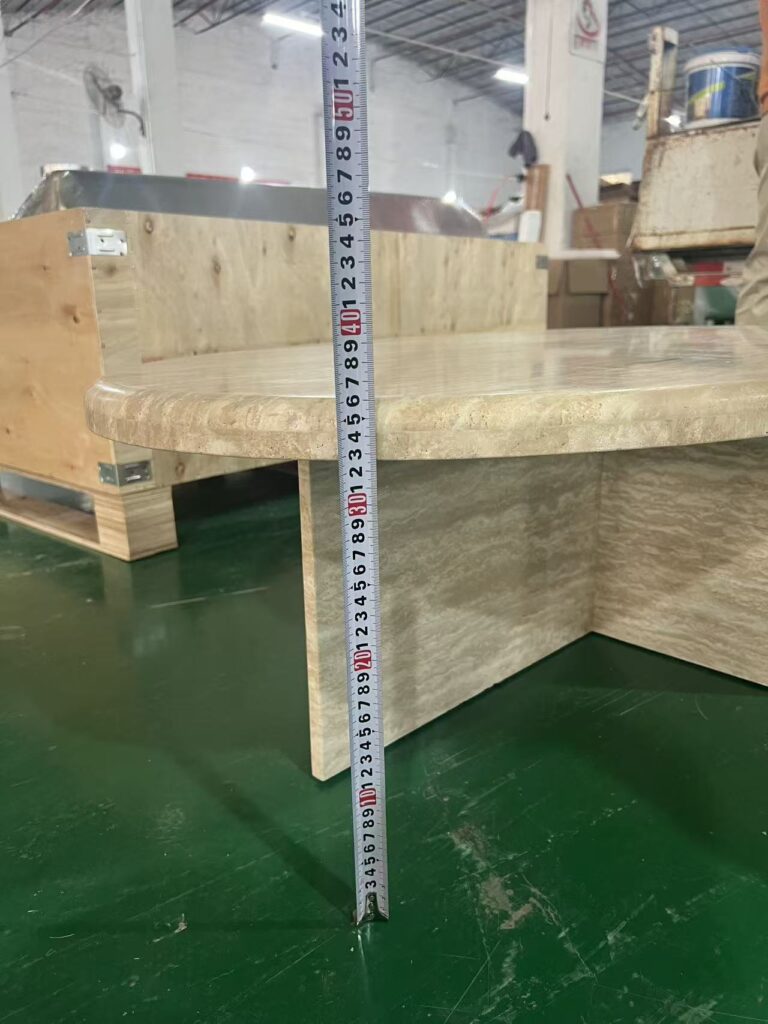
Sample confirmation is an important step for customized furniture and project orders. It helps avoid misunderstandings about size, color, material, structure and finish before mass production.
For larger orders, buyers should consider confirming a pre-production sample or at least a material and finish board before production starts. For smaller orders, a full pre-production sample may not always be practical, but the buyer should still confirm product details through drawings, photos, material samples or written specifications.
Production follow-up should include checking key milestones, such as material preparation, frame production, upholstery work, finishing, packaging and shipment readiness. This helps buyers notice problems earlier instead of discovering all issues at the end.
Quality Control Before Shipment
Quality control is one of the most important parts of China furniture sourcing. Furniture products are often large, fragile and difficult to return after export. A pre-shipment inspection helps buyers check visible product condition before goods leave the factory or warehouse.
A furniture quality inspection may check:
- Quantity and model
- Size and visible structure
- Color, material and finish
- Workmanship and surface defects
- Stability and basic function
- Hardware and accessories
- Labeling and carton marks
- Packaging condition
- Loading readiness
Quality inspection can help identify visible risks before shipment, but it does not replace supplier warranty, product certification, laboratory testing or legal responsibility. For products that require safety standards, fire rating, electrical certification or structural testing, buyers should arrange the correct professional testing in advance.
Packaging, Loading and Export Coordination
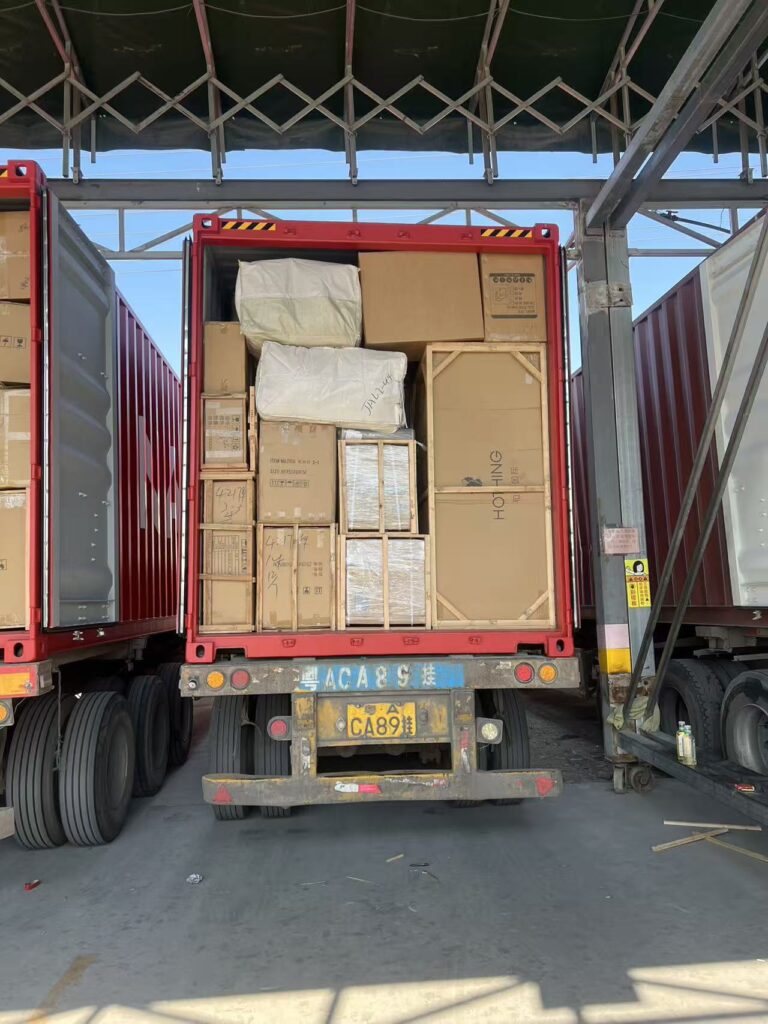
Packaging and loading are often underestimated in furniture sourcing. A well-made product can still be damaged if packaging is weak or container loading is poorly arranged. This is especially important for glass, stone, lacquered products, upholstery, mirrors, lighting and mixed-category shipments.
Before shipment, buyers should confirm:
- Carton or crate strength
- Corner protection and surface protection
- Moisture protection when needed
- Carton marks and item codes
- Packing list accuracy
- Container loading sequence
- Supplier delivery schedule
- Forwarder and export document coordination
Common Mistakes Overseas Buyers Should Avoid
Many sourcing problems can be reduced if buyers avoid a few common mistakes at the beginning of the project.
- Choosing only by price: The cheapest supplier may not provide the required materials, structure, packaging or service level.
- Using unclear specifications: Without clear dimensions, materials, finishes and drawings, suppliers may make assumptions that do not match the buyer鈥檚 expectations.
- Skipping supplier verification: A showroom does not always represent factory capability.
- Ignoring sample confirmation: Color, fabric, foam, veneer and finish differences can become serious issues after production starts.
- Checking quality too late: It is better to plan inspection and production follow-up before goods are packed.
- Underestimating packaging: Furniture export damage is often related to poor packaging or loading rather than product manufacturing.
- Not coordinating multiple suppliers: Mixed-category projects need schedule control, packing list control and shipment coordination.
How E-REACHING Supports Overseas Buyers
E-REACHING helps overseas buyers source furniture, lighting, interior materials and custom project products from China, especially from Foshan and nearby furniture manufacturing areas. Our support is designed for buyers who need local coordination but cannot manage every supplier visit, factory discussion, production follow-up and inspection in person.
Depending on the project scope, E-REACHING can assist with:
- Furniture supplier search and shortlist
- Factory and showroom visits
- Quotation comparison and supplier communication
- Material, color and finish confirmation
- Sample checking and production follow-up
- Pre-shipment quality inspection
- Container loading supervision
- Export coordination with suppliers and forwarders
For project buyers, this support can be applied to hotel FF&E, villa furniture, apartment projects, school furniture, cinema seating, commercial furniture, lighting and mixed interior material sourcing.
Furniture Sourcing in China FAQ
Is China still a good place to source furniture?
Yes. China remains a strong furniture sourcing destination because of its wide product range, mature manufacturing base, customization capability and complete supply chain. Buyers still need a careful process for supplier selection, specification confirmation, quality control and export coordination.
Why is Foshan important for furniture sourcing?
Foshan is one of China鈥檚 most important furniture and interior supply hubs. Buyers can access furniture malls, supplier showrooms, factories, lighting suppliers and interior material resources within the region, making it useful for project procurement.
How can overseas buyers verify a furniture supplier in China?
Buyers can verify suppliers through factory visits, showroom checks, sample review, production capability review, communication assessment and basic business information checking. For important orders, supplier verification should happen before deposit payment or production confirmation.
Do buyers need quality inspection before shipment?
For most furniture orders, pre-shipment inspection is recommended because furniture is large, fragile and difficult to return after export. Inspection helps check visible product condition, quantity, model, material, workmanship, packaging and loading readiness before shipment.
What information should buyers prepare before sourcing furniture from China?
Buyers should prepare product lists, drawings, reference images, quantity, dimensions, material requirements, finish preferences, target quality level, budget range, delivery timeline, destination country and packaging requirements.
Related Support from E-REACHING
Continue with these related pages if you need sourcing, verification, inspection or project procurement support from China: